Bathroom Materials Guide
Six decisions carry most of the result
Most bathroom selections come down to six material families: the benchtop surface, the tile body, the tapware finish, the screen glass, the cabinetry substrate and the hardware inside the joinery. Everything else — colour, format, pattern — sits on top of those choices.
Each entry below is written the same way, so two options can be compared without a showroom conversation: what the material is, how it wears, what maintenance it actually asks for, and where it works best in a wet area. Read it beside bathroom design if your layout is still open, or vanity installation if the cabinetry and top are the decision in front of you.
A material that suits a guest powder room used twice a week is often the wrong pick for a family bathroom running four showers a morning. Where that difference matters, it is noted in the entry.
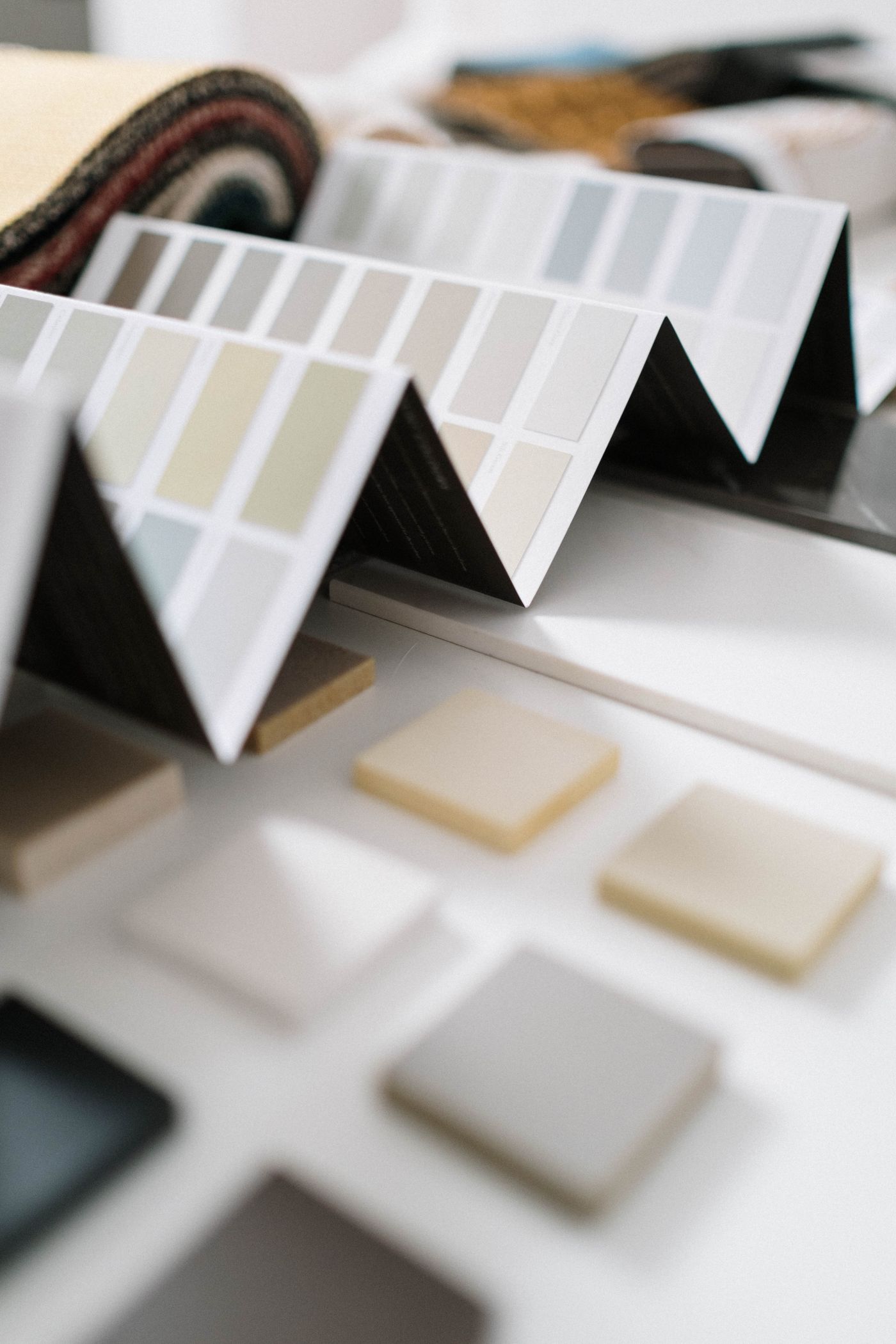
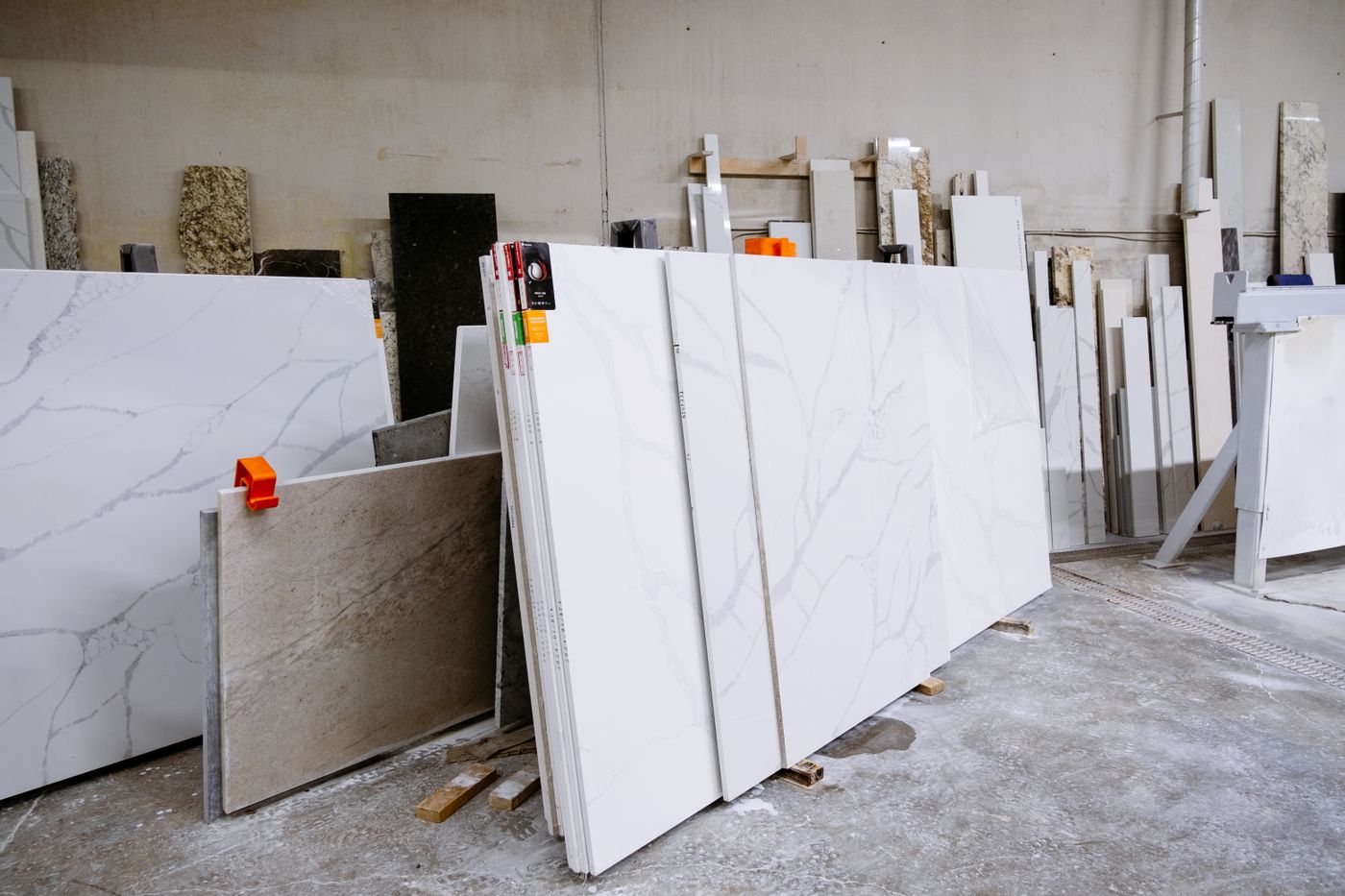
Vanity tops and their maintenance realities
Natural stone
Durability: marble and limestone are soft and acid-sensitive; granite is far denser. All are porous to some degree.
Maintenance: periodic sealing, prompt wiping of toothpaste, cosmetics and citrus. Etch marks are physical, not stains.
Design: veining is unrepeatable, so the slab is selected as a piece. Suits mitred edges and matching splashbacks.
Engineered surface
Durability: mineral composite with a resin binder — low porosity, consistent from slab to slab, resistant to everyday staining.
Maintenance: no sealing. Avoid heat contact and strong solvents; matt finishes show smears more than gloss.
Design: the widest colour range, including stone-look patterning, and it takes slim edge profiles cleanly.
Porcelain slab
Durability: very low water absorption, heat tolerant and highly stain resistant. Hard, but it can chip at an unsupported edge.
Maintenance: the lowest of the four — neutral cleaner and a cloth.
Design: thin profiles look sharp on wall-hung joinery. The decoration is on the face, so basin cutouts and edges need considered fabrication.
Solid timber, dry zones
Durability: movement and water are the risks. Best away from direct splash — a bench beside a basin rather than under one.
Maintenance: a hard-wearing coating or regular re-oiling, and cutout edges sealed on all faces.
Design: the warmest option and the natural partner to fluted fronts, but it will read as a wearing material, not a static one.
Why porcelain behaves differently to ceramic in a wet area
Porcelain. Fired hotter and denser, with very low water absorption. That density is why it is the default for wet-area floors and full-height shower walls, and why rectified porcelain edges allow narrow, even grout joints. On a shower floor, the surface texture — the slip rating — matters more than the format: a smooth large-format tile that is excellent on a bathroom floor can be the wrong choice inside the shower.
Ceramic. A softer, more absorbent body carrying a decorative glaze. It is an honest wall tile: light, easy to cut, and available in glaze effects porcelain cannot match. On floors it is more prone to chipping, and non-rectified edges usually need a slightly wider joint, which changes the look of a stack-bond or a herringbone.
Natural stone tiles. Marble, limestone and terrazzo bring depth no print can copy, but they carry the same porosity story as a stone benchtop: sealing, careful grout selection to avoid staining the face, and honed or tumbled finishes where grip is needed. Mosaic sheets remain useful in a graded shower base because the joints let the floor fall in two directions.
Grout and joints. Grout colour changes the read of a tile more than most people expect — matched joints make a wall a single surface, contrasting joints make it a grid. In wet zones, movement joints at internal corners and junctions do more for longevity than any grout additive.
How each finish ages, marks and cleans
05 / Chrome. Electroplated and the hardest everyday surface of the group. It shows watermarks and fingerprints most clearly, but cleans back with any soft cloth and shows no wear pattern over time.
06 / Brushed nickel. A warm grey with a fine directional grain that disguises marks and water spots well. Clean along the grain and keep abrasive pads away from it.
07 / Brushed brass. Sold either as a coated finish, which stays constant but can wear at high-touch points such as handles, or as a living finish that patinas unevenly where hands and water reach it. Both are legitimate — the decision is whether you want the surface to change.
08 / Matt black. Available as a coating or as a harder physical-vapour-deposited layer. Matt surfaces are the least forgiving in hard water: mineral residue dries visibly, so drying after use keeps them looking new.
09 / Gunmetal. A dark tonal finish, usually PVD, that hides residue better than matt black and sits well against dark tile. Range availability across accessories is narrower, so confirm the full set early.